/Health Articles/Wellness Tips for a Diabetes-Friendly Workplace
Wellness Tips for a Diabetes-Friendly Workplace
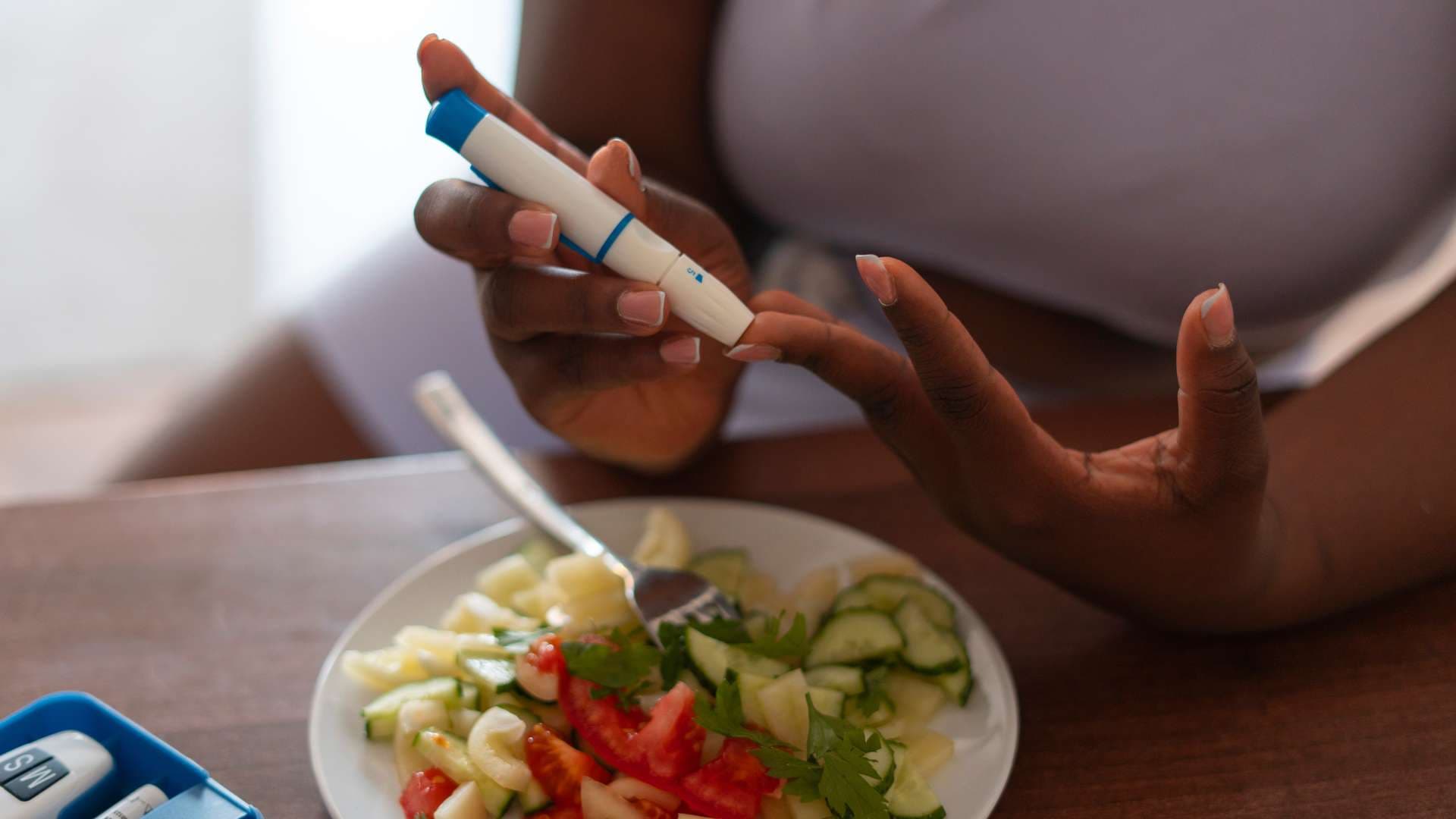
Promote an inclusive culture: Encourage respect for health needs. Small actions – like not treating blood glucose tests at one’s desk as “odd” or permitting snacks at workstations – can make a big difference.
A
AfyaMoja
13 Nov, 2025
2 min read
Promote an inclusive culture: Encourage respect for health needs. Small actions – like not treating blood glucose tests at one’s desk as “odd” or permitting snacks at workstations – can make a big difference. Stress and stigma can harm employees with diabetes. Reducing stigma boosts both well-being and productivity.
Flexible breaks and mealtimes: Allow flexible scheduling so employees with diabetes can check blood sugar or eat snacks when needed. For example, someone using insulin may need to eat at regular intervals. Flexibility with break times or meetings helps them manage glucose levels without anxiety.
Safe space and supplies: Ensure there is a clean, private space (such as a first aid or wellness room) where individuals can administer insulin or test blood sugar in privacy. Keeping quick-access sugar sources (like juice or glucose tablets) in the office first aid kit is a wise safety measure.
Healthy options: Provide meals or snacks (even in vending machines) that include diabetes-friendly choices (nuts, yoghurt, veggies, water or sugar-free drinks). This benefits everyone and fits perfectly with the “diabetes and well-being” theme.
Educate and involve everyone: Host a short awareness session (or e-learning module) covering diabetes basics, signs of low/high blood sugar, and how to support colleagues. When everyone understands the condition, the workplace naturally becomes more supportive. This aligns with the WDD campaign’s call for improved diabetes knowledge.